
Carney Wants U.S. AI Data Centres with No Binding Regulation, Privatization, & Better Ideas Show
The Environment in Canada Podcast, Episode 116 on the Canada Investment Summit in Toronto and federal plans to de-regulate dangers like data centres and privatize public assets like airports. Plus The Better Ideas Show from The Energy Mix. You can listen to this podcast on The Harbinger Media Network, Apple Podcasts, IHeartRadio, Spotify, and YouTube, or listen to it on our website below:
We’re starting this week’s podcast with a read of our recent newsletter on how the only coherent plan the Federal Government has presented so far is one to de-regulate and privatize. There’s also a list of recent news coverage of Sierra Club Canada by CBC News, Global News National, and VOCM and upcoming events you can attend. Read the full newsletter (WITH SOURCES)
This week we’re also bringing you some new content from our friends at The Energy Mix in two installments, which they are calling The Better Ideas Show. Here’s their description of the show:
“What if you organized a high-powered, high-stakes summit to try to bring new investment to your country and build a brighter future, but some of your top prospective partners with the best, most durable nation-building ideas never showed up? Not because they didn’t want to, but because you never invited them?
That’s the risk Prime Minister Mark Carney is running with the Canada Investment Summit he’s hosting, with a guest list that includes a reported 100 to 150 of the world’s biggest investors. With Canada’s economic future under threat, he’s tapping into the world’s financial elite to put their business clout behind his pledge to Build Canada Strong.
But what’s he missing? What opportunities, storylines, and future benefits does the summit leave behind when it attaches a minimum $200 million value to the projects Carney will be pitching?
With The Better Ideas Show, we’re going to find out.
…. We’ll be a few blocks away, hosting a livestream with news interviews featuring investors, entrepreneurs, policy- and decision-makers, and advocates who are working to build Canada’s clean climate economy from the ground up.”
This podcast (and tomorrow’s) are excerpts of that livestream. You can find the full livestreams on their website.
And YouTube channel.
More of our Sierra Club Canada Resources:
- More information on the risks of nuclear energy and why wind and solar with battery storage are a better investment.
- Why wind and solar with battery storage do not need baseload power and are cheaper and cleaner than alternatives.
- Our joint Community Energy Showcase with The Energy Mix.
- Upcoming events.
Be sure to send us your questions at communications@sierraclub.ca and sign up for email updates from us here.
And don’t forget to take action.
Please note: The views expressed in these podcast episodes do not necessarily reflect those of the Sierra Club Canada Foundation, or those of our chapters or programs.
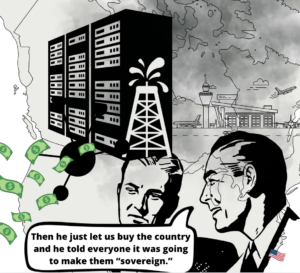
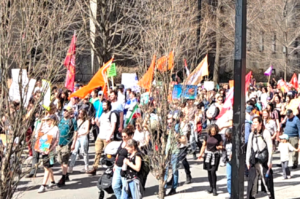
Photo of demonstration against federal government cuts on April 18, 2026 that drew hundreds of people into the streets.